Vertical-First 3D Animation: Designing Mobile Commercials for Maximum Impact
For decades, commercial animation was designed for 16:9 widescreen televisions. When social media platforms prioritized mobile feeds, agencies simply cropped their horizontal videos, resulting in awkward compositions, cut-off text, and lost visual impact. In 2026, top marketing teams have embraced a new standard: vertical-first 3D animation.
Why 9:16 Demands a Different Creative Approach
Vertical screens require completely different visual storytelling. In horizontal video, the eye moves left to right across wide landscapes. In vertical 9:16 video, the eye moves top to bottom, focusing intensely on tall character designs, vertical depth, and floating graphical overlays. Simply cropping a horizontal video wastes valuable screen real estate and dilutes your message.
Key Principles of Vertical 3D Animation
- Designing for the Full Screen: Characters and key props are sculpted and framed vertically to utilize the top and bottom thirds of mobile screens effectively.
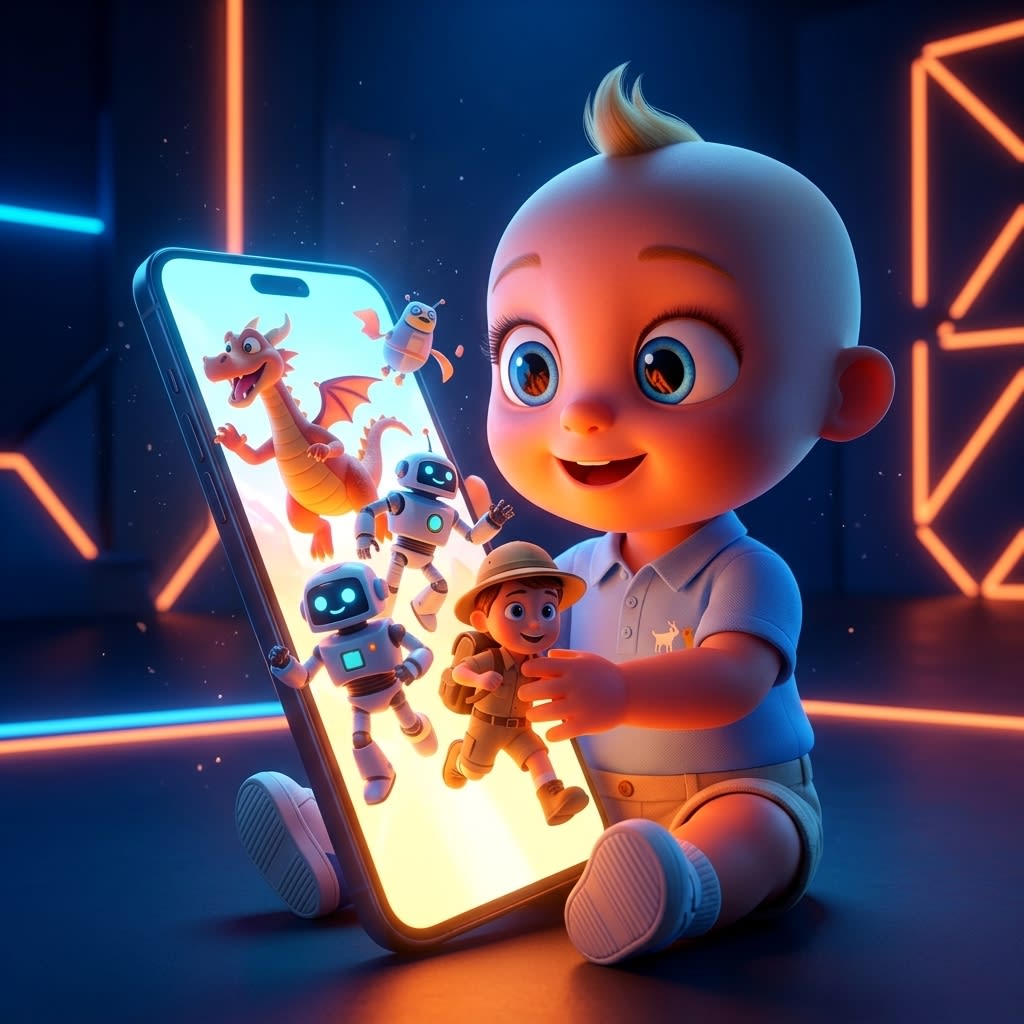
- Dynamic Depth Effects: By using 3D camera pushes and depth-of-field effects, elements appear to burst outward toward the user, creating an immersive 3D illusion on flat smartphone screens.
- Integrated On-Screen Typography: Subtitles and animated callouts are designed into the core 3D scene geometry, ensuring they never block vital visual action.
Mobile Engagement Statistics
Industry metrics show that native 9:16 vertical 3D commercials deliver a 54% higher view-through rate and 3.2x higher click-through conversion compared to cropped 16:9 videos on platforms like Instagram Reels, TikTok, and YouTube Shorts.
Designing Mobile-Native Ads with Viola TV
At Viola TV, our 3D animation pipeline builds scenes specifically for mobile aspect ratios from initial storyboard to final render. By tailoring composition, pacing, and visual hooks to mobile user habits, we help brands stand out in crowded feeds and turn casual scrollers into loyal customers.