How Businesses Build a Consistent Visual Identity in AI Videos
Artificial intelligence has democratized video creation. Today, anyone can generate beautiful scenes, cinematic transitions, and high-fidelity animations with simple text prompts. However, this accessibility introduces a new challenge for brands: consistency. Many AI video tools produce disjointed, unpredictable styles across different shots, making it incredibly difficult to build a cohesive, recognizable visual identity.
The Consistency Challenge in AI Production
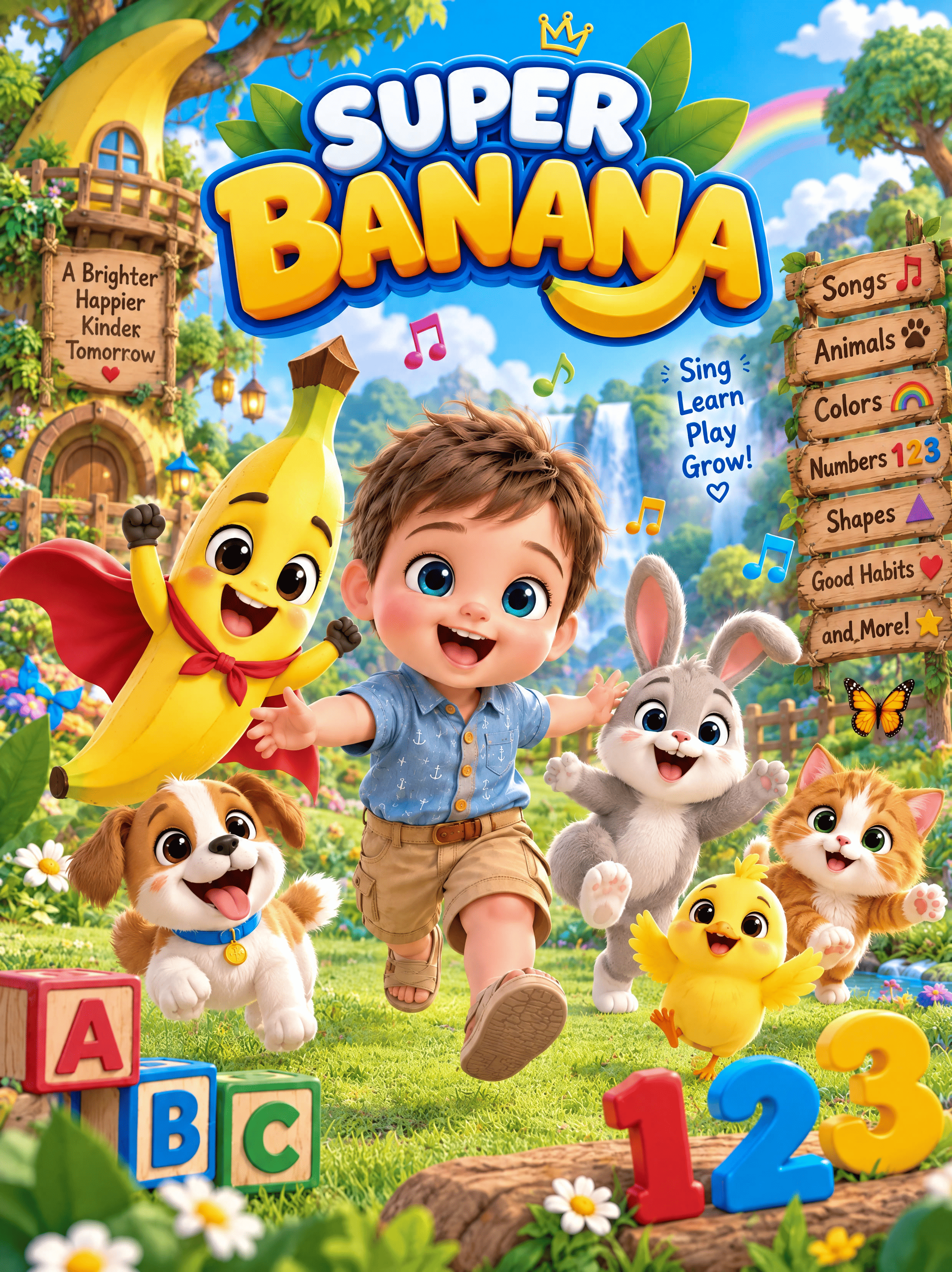
If you've experimented with AI video generation, you've likely faced this issue: you generate a character in shot A, but in shot B, their face shape, clothing, or the environment's art style changes. This visual "drift" is jarring for viewers and dilutes brand recognition. A successful marketing video or series requires a steady visual language—consistent color palettes, character continuity, and a signature style that signals quality.
1. Master the Art of seed-based Generation
One of the most powerful features in advanced AI video tools like Kling 3.0, Runway, and Seedance is the use of seed numbers. A "seed" is a numerical starting point for the noise generated by the model. By reusing the exact same seed number across different prompts, you anchor the stylistic baseline. It ensures that the lighting, texture, and overall atmospheric look remain identical, even as the characters move or the scene action shifts.
2. Develop a Comprehensive Character Sheet First
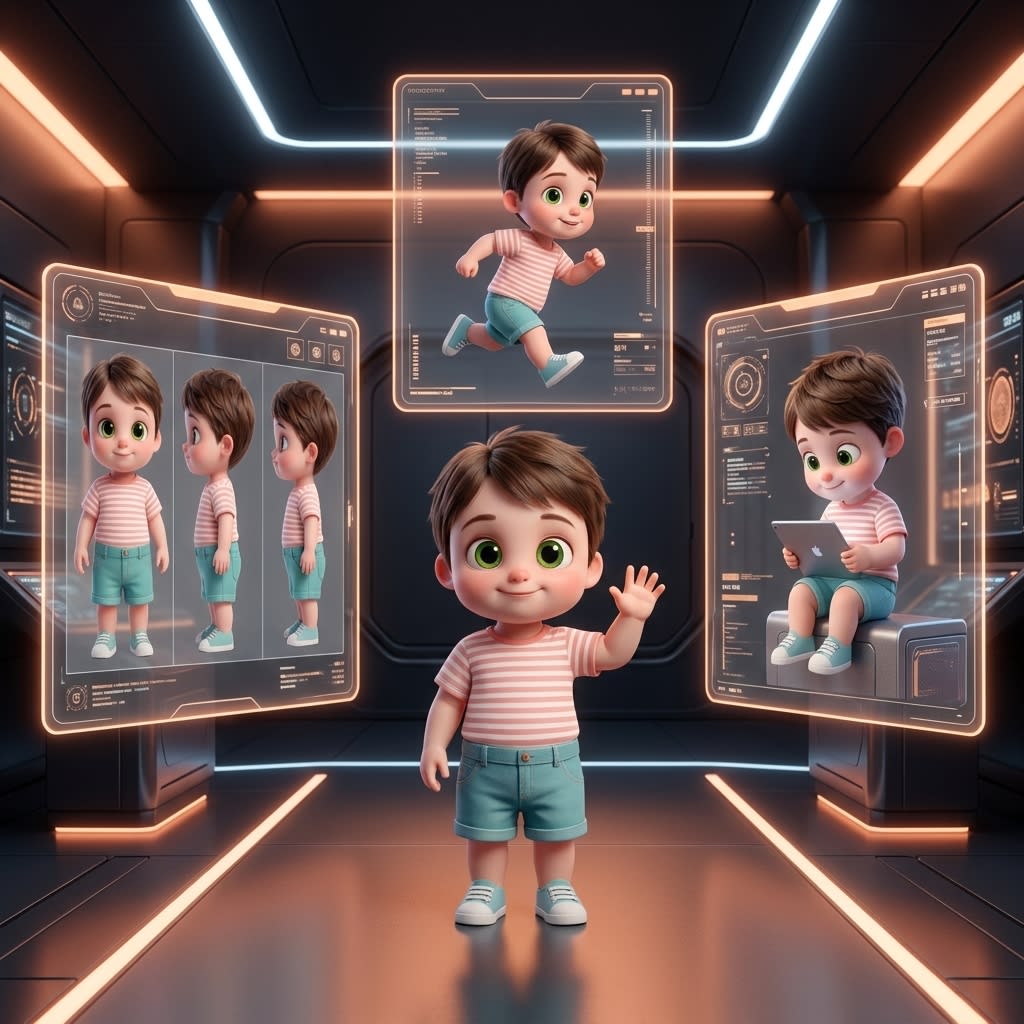
Instead of jumping straight into scene generation, design your characters beforehand. Generate reference sheets showing your characters from multiple angles (front, profile, three-quarter view) and under different lighting conditions. Many modern video tools allow you to upload these reference images to guide the generation, ensuring the character’s features remain recognizable across different frames. This is the exact workflow we utilized to keep character continuity in our AI-driven animations.
3. Use Style Reference Images (IP-Adapter)
Most premium video platforms now support "Style Reference" inputs. Instead of relying solely on descriptive text prompts (which the AI can interpret differently each time), upload a signature branding image, a specific color palette, or a mood board. The AI will extract the stylistic DNA—such as lighting style, brushstrokes, or color grading—and apply it to all new video segments.
4. The Human-in-the-Loop Advantage
AI should be used to accelerate the production pipeline, not dictate it. Visual consistency is ultimately secured by human expertise. By combining AI tools with traditional post-production editing—like color grading in DaVinci Resolve or Premiere, adding unified graphic overlays, and utilizing human-curated motion tracking—you can polish AI outputs into a premium, brand-aligned product.
The Bottom Line
Having access to the best AI video tools isn't the ultimate advantage anymore; knowing how to direct them is. Brands that learn to control visual consistency will build memorable, engaging stories, while those that publish generic, disjointed AI clips will easily be forgotten. Building a consistent identity is the bridge between temporary novelty and lasting brand value.