Educational Kids Content vs. 'Brain Rot': The Role of Ethical AI
The digital landscape is flooded with children's content. Unfortunately, a vast portion of it consists of what child development experts call "brain rot"—hyper-stimulating, visually chaotic, and completely meaningless videos designed solely to abuse autoplay algorithms and keep toddlers hooked on screens. With AI making animation cheaper and faster than ever, the barrier to flooding the internet with low-quality content has vanished. But this tech also gives ethical creators a powerful tool to fight back.
Understanding the Threat of Hyper-Stimulation
Traditional cartoons had a pacing that children could follow—scenes lasted several seconds, characters spoke in coherent sentences, and stories had clear moral structures. Many modern automated clips on YouTube do the opposite. They bombard young minds with flashing colors, jarring noises, and non-sensical scripts every half-second. Over time, this over-stimulation shortens attention spans, increases irritability, and stunts language development.
Using AI for Value, Not Views
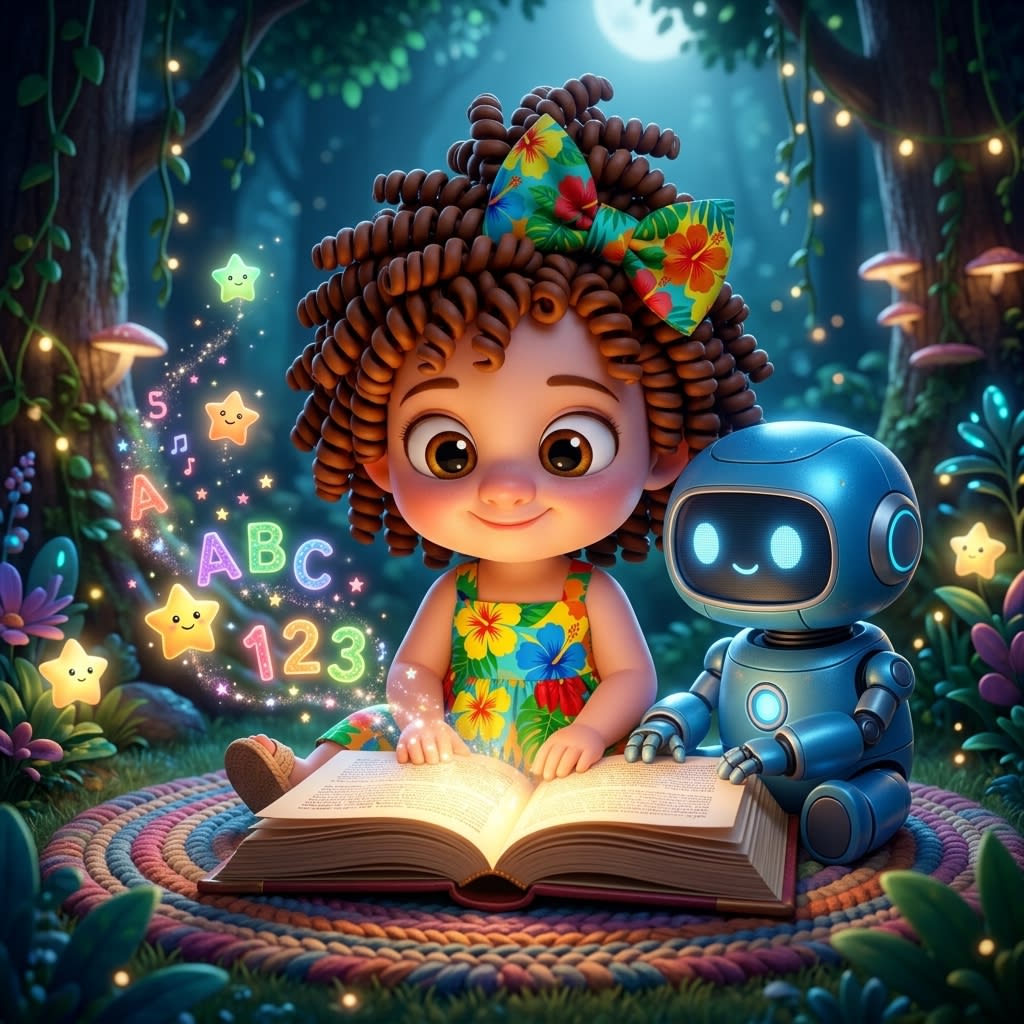
At Viola TV, we believe AI should be a force for good. When we designed our AI-animated kids' channel, Baby Rambo, our goal was clear: prove that automated tools can produce high-quality, educational nursery rhymes that parents can trust. The difference lies in intention and direction.
1. Cognitive-First Pacing
Instead of editing videos to trigger dopamine spikes, ethical creators use AI to build gentle, purposeful pacing. We can control character movements, scene transitions, and visual elements to align with cognitive milestones. AI lets us test multiple variations of educational hooks to see which styles maintain interest without causing over-excitation.
2. Enhancing Linguistic Value
Kids learn language by watching facial movements and listening to clear pronunciation. Modern AI voice and animation synchronization (like native audio syncing in Seedance 2 or Veo 3.1) allows us to animate character mouth shapes that perfectly match the educational phonics we want to teach. This elevates standard nursery rhymes into active language-learning aids.
3. Creating Interactive Learning Worlds
AI is beginning to enable interactive storytelling. Soon, children won't just watch static animations—they will converse with characters or guide the narrative based on educational choices. By blending AI-driven branching paths with curated curriculum standards, we can personalize learning in real-time, making education an adventure.
The Responsibility of the Creator
AI is a mirror of the creator's intent. If used lazily to spam algorithms, it generates digital noise that harms young viewers. But when guided by educational principles, child psychology, and artistic direction, AI-generated animation can bring healthy, imaginative, and highly accessible education to children worldwide. As studios and creators, the choice is ours: build valuable worlds, or contribute to the noise.