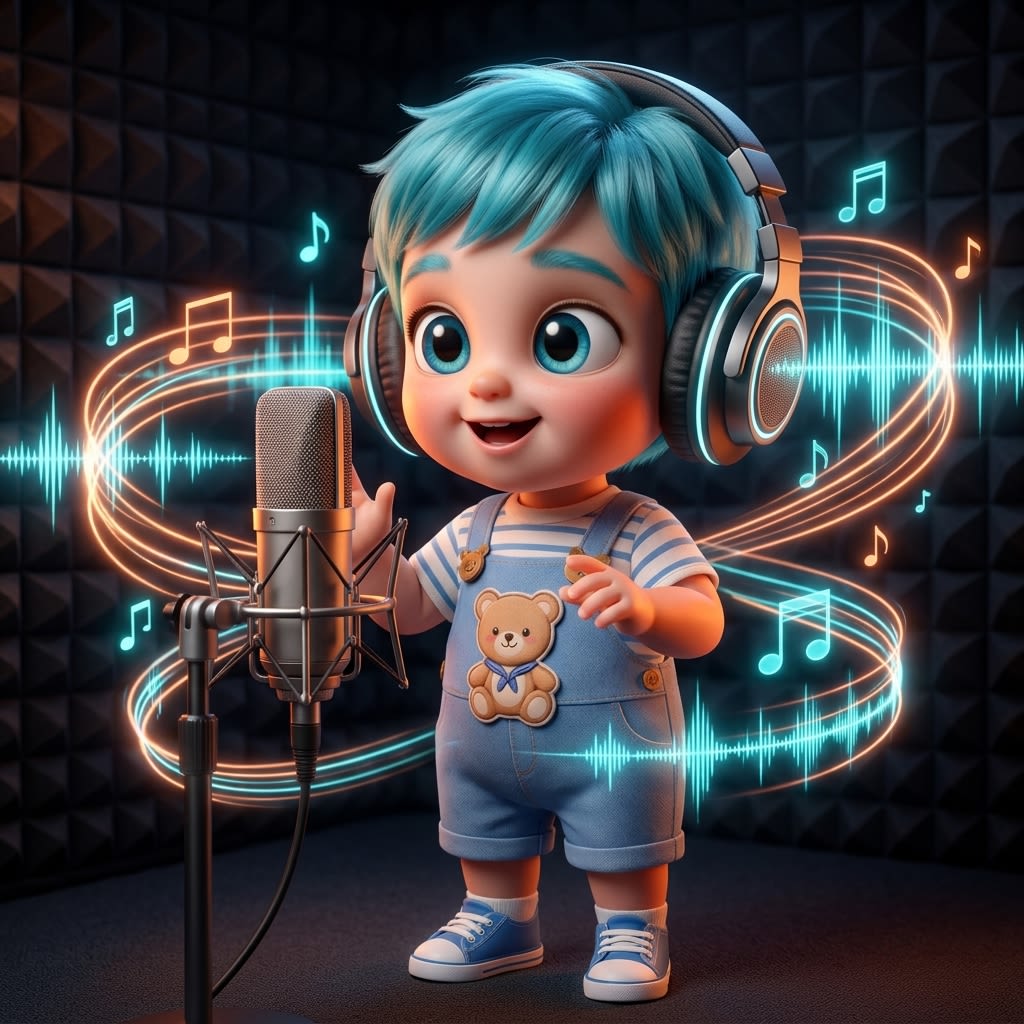
The Future of AI Voiceover: Has Human Dubbing Met Its Match?
Sound is half the experience of video. A beautiful animation without premium audio, sound design, or an engaging narration falls completely flat. For years, text-to-speech (TTS) systems were easily identifiable—robotic, cold, and missing natural speech pauses. But in 2026, neural voice synthesis models have advanced so rapidly that the boundary between human and AI voices has nearly disappeared. Are professional voice actors about to be fully replaced, or is there a different story unfolding?
The Evolution of AI Voice acting
Modern AI voice models (such as ElevenLabs, Google Text-to-Speech, and OpenAI Audio) no longer read word-by-word. They analyze the entire context of a sentence to understand punctuation, emotional tone, and intent. The same voice can sound excited, whispering, or serious depending on the narrative context. They simulate breath patterns, natural hesitations, and micro-accents, creating highly human-like voiceovers in seconds.
Unmatched Translation and Localization (Dubbing)
One of the biggest advantages of AI voiceovers is localization. Traditionally, translating a video into five different languages meant hiring five voice actors, renting studios, and manually matching the pacing. Today, AI can translate a video’s audio while preserving the original voice’s unique tone, timbre, and character identity across all target languages. Native lip-sync engines then automatically warp character mouth shapes to match the new language, offering unified global content instantly.
Where AI Voiceover Wins
- Speed and Iteration: You can edit a word in your script and re-generate the voice pass in seconds, rather than waiting days for a voice actor to re-record in their studio.
- Cost-effectiveness: Crucial for startups and independent content creators who cannot afford high voice acting rates for daily short-form videos.
- Scalability: Perfect for localized e-learning, massive automated narrations, and audiobooks.
Why the Human Element Remains Essential
Despite these technical leaps, AI cannot replicate true artistic nuance. A great voice actor does not just read a script; they bring empathy, subtext, and unexpected creative choices that a machine cannot calculate. AI struggles with complex storytelling that requires deep dramatic pacing, sarcasm, or highly specialized local dialects that lack massive training datasets. Furthermore, premium, award-winning branding still relies on human connections to build authenticity.
The Unified Future
Rather than replacing voice actors, AI is serving as an editing partner. Human actors can license their digital voice twins, allowing companies to produce secondary content while the actor receives royalties. Small creators can leverage cost-effective AI narrations to launch campaigns, while reserving premium budgets for professional human voiceovers on their main television and cinema ads. The combination of human emotion and machine scale is where the real audio revolution lies.