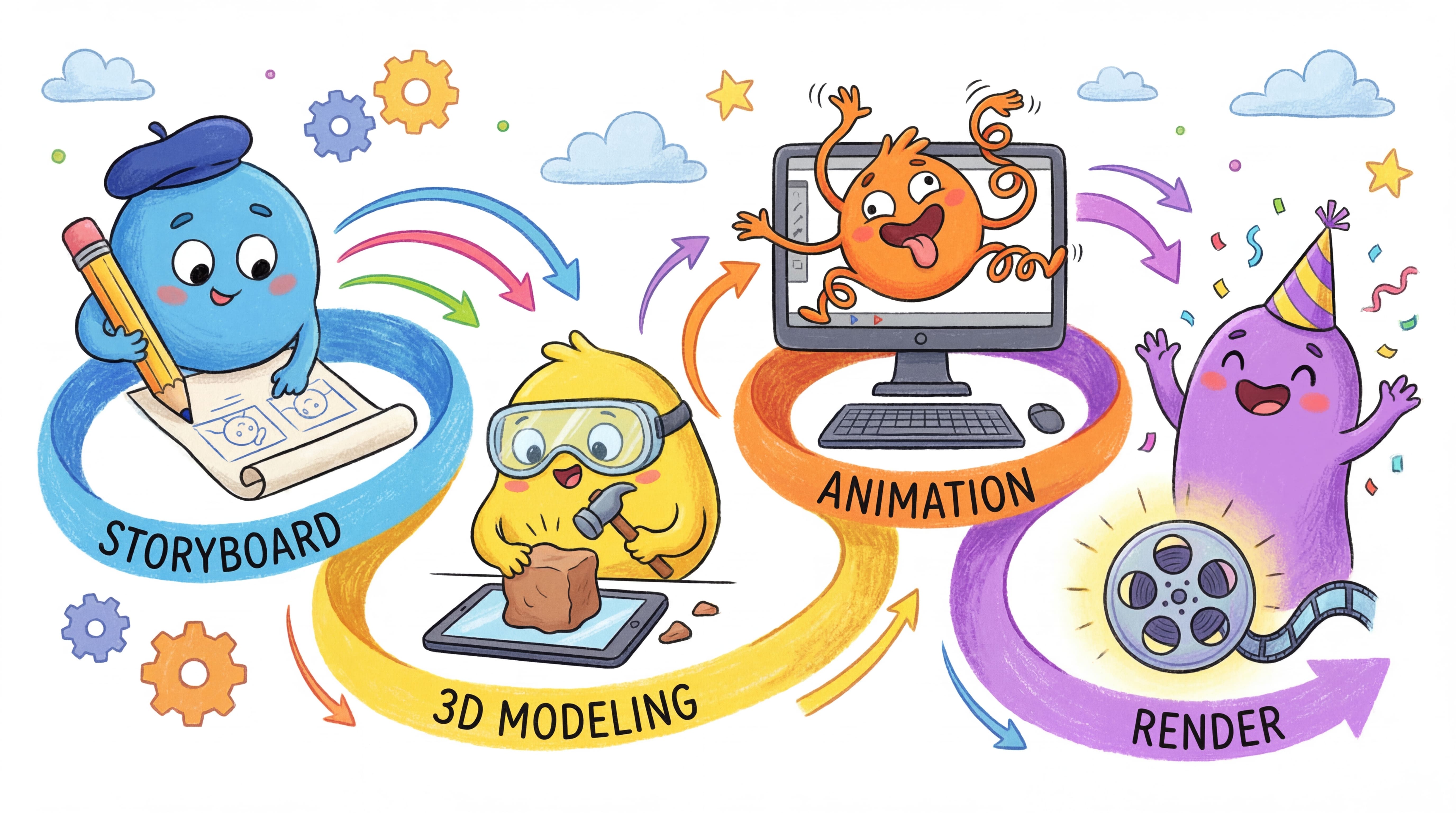
Behind the Scenes: What Actually Happens in an Animation Studio
Ever wondered what goes on inside an animation studio between the initial concept and the final rendered video? The animation production process involves many specialized roles and carefully orchestrated phases. Here's a glimpse behind the curtain.
Development and Concept Phase
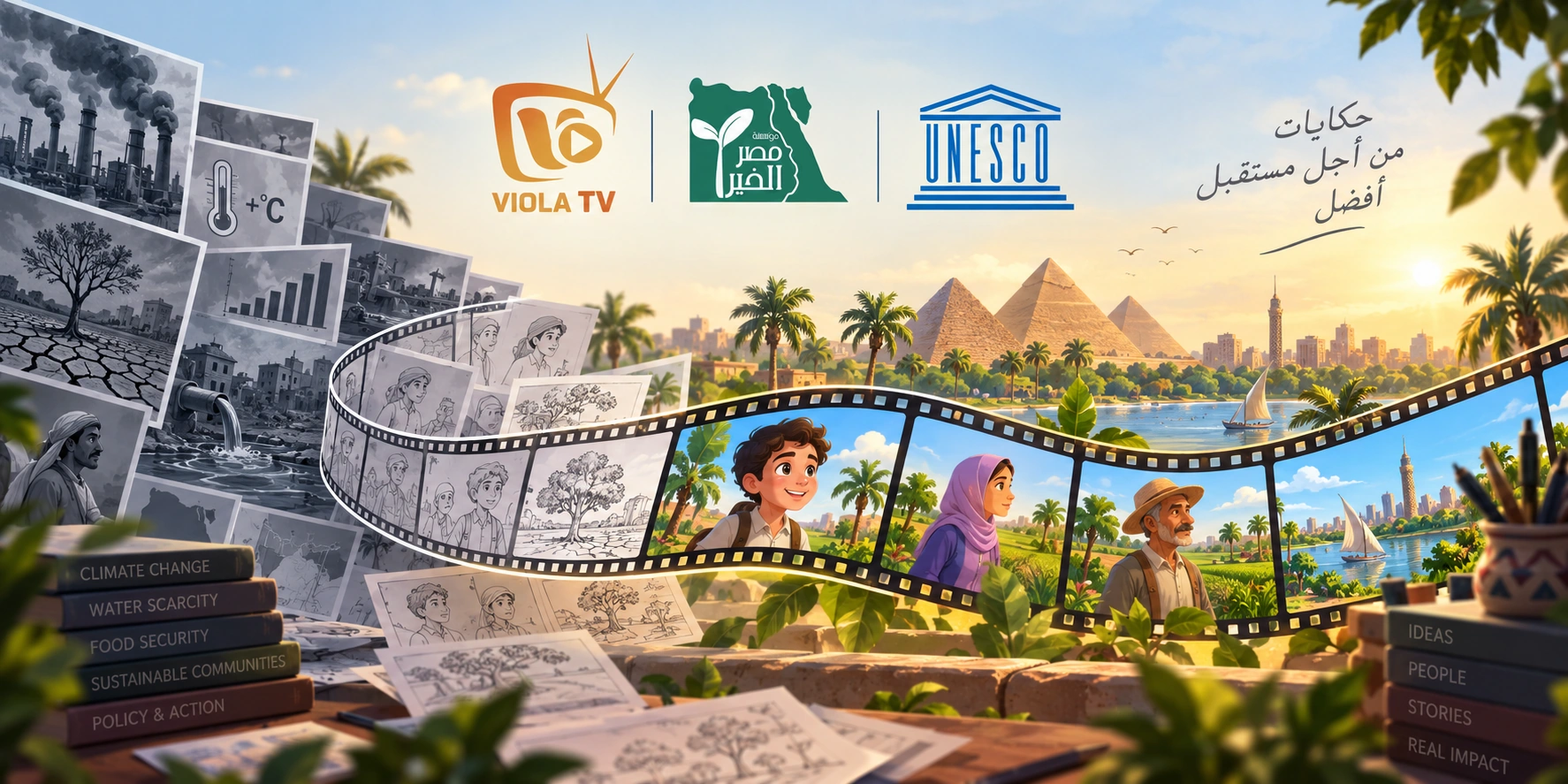
Every project begins with ideas. Writers, directors, and creative leads develop the core concept, story, and visual direction. Mood boards, style frames, and concept art establish the project's look and feel. This is where big creative decisions happen—the art style, color palette, tone, and overall vision take shape.
This phase involves extensive brainstorming, reference gathering, and experimentation. Artists explore different visual approaches until the perfect style emerges that matches the story's needs.
Pre-Production: Planning Everything
Once the concept is approved, pre-production kicks into high gear. Storyboard artists visualize every scene, working closely with directors to plan composition, pacing, and narrative flow. Voice actors record dialogue (yes, voices typically come before animation), giving animators crucial timing and emotional references.
For 2D projects, background artists create environment art. For 3D, modelers build characters, props, and environments while riggers create the digital skeletons that allow characters to move. This phase also includes creating animatics—rough animated versions of the storyboards that help finalize timing and pacing.
Production: Bringing It to Life
This is where animation magic happens. In 2D studios, animators draw key frames and in-between frames, bringing characters and scenes to life. In 3D environments, animators manipulate digital rigs to create movement, applying the principles of animation to make characters feel alive.
Layout artists position cameras and establish composition. This phase is iterative, with constant reviews and refinements. Direct... (line truncated to 2000 chars)