5 Pre-Production Mistakes That Cost Animation Projects Time and Money
Pre-production is where animation projects succeed or fail. A solid foundation during this phase saves countless hours and resources during production. Here are five common mistakes animation studios should avoid.
1. Skipping Detailed Storyboards
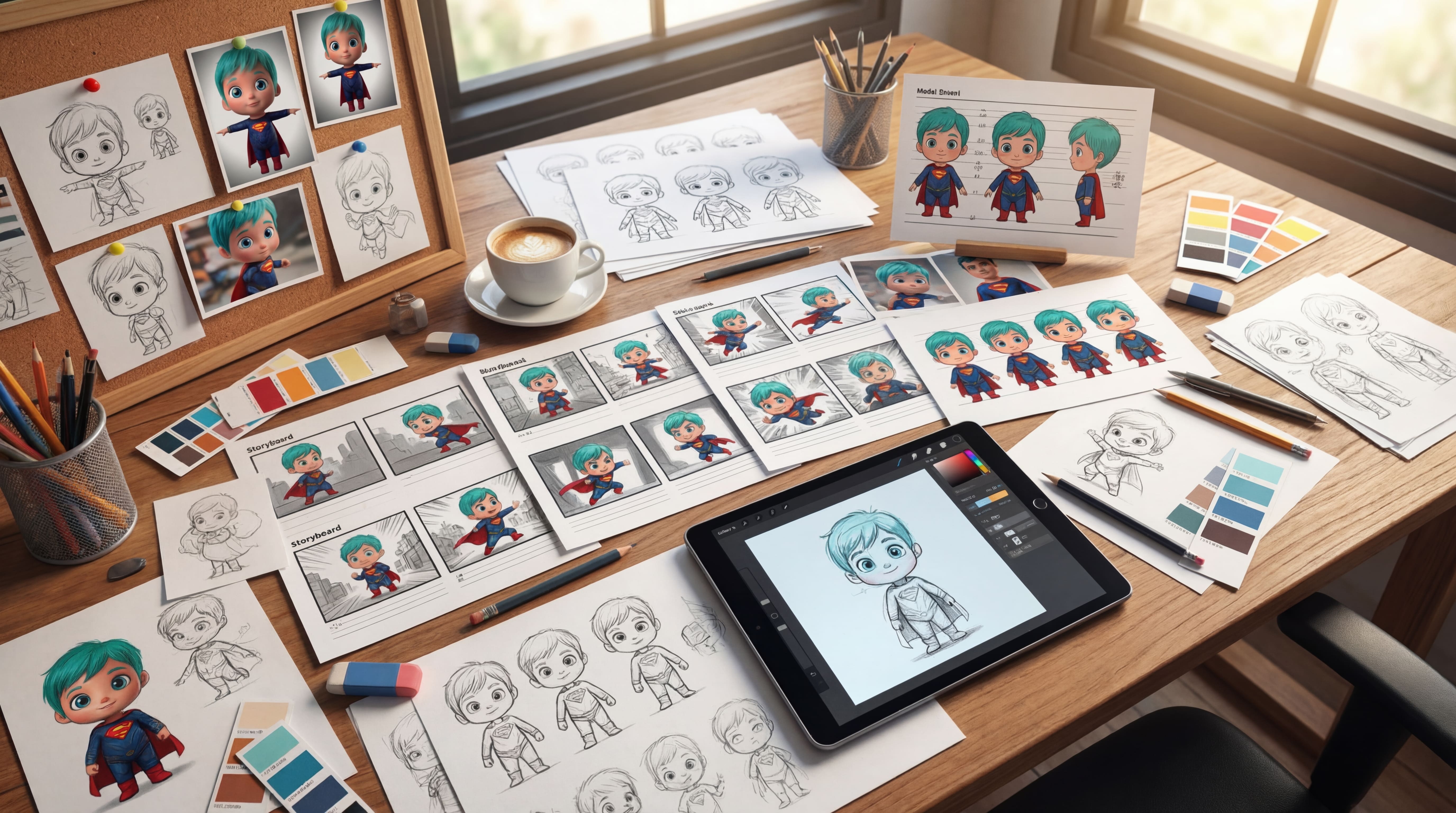
Jumping into animation without comprehensive storyboards is like building a house without blueprints. Storyboards help identify pacing issues, narrative problems, and technical challenges before any expensive animation work begins. They're your roadmap—invest time in getting them right.
A detailed storyboard shows camera angles, character positions, transitions, and timing. It allows your team to visualize the entire project and make creative decisions early when changes are still inexpensive.
2. Unclear Character Design Guidelines
When character designs lack detailed model sheets showing multiple angles, expressions, and proportions, animators waste time making inconsistent guesses. Create thorough character documentation including turnarounds, expression sheets, and style guides that everyone can reference.
Include color specifications, proportions, special features, and any unique characteristics. The more detailed your character sheets, the more consistent your animation will be across all scenes and team members.
3. Inadequate Technical Planning
Whether working in 2D or 3D, technical specifications matter. Not defining resolution, frame rates, color spaces, and file formats upfront leads to costly revisions. For 3D projects, establish polygon counts, rigging standards, and rendering specifications early.
Document your technical pipeline, software versions, naming conventions, and delivery requirements. This prevents compatibility issues and ensures smooth collaboration between team members.
4. Underestimating Asset Creation Time
Many studios focus animation timelines on the actual animation phase while underestimating how l... (line truncated to 2000 chars)