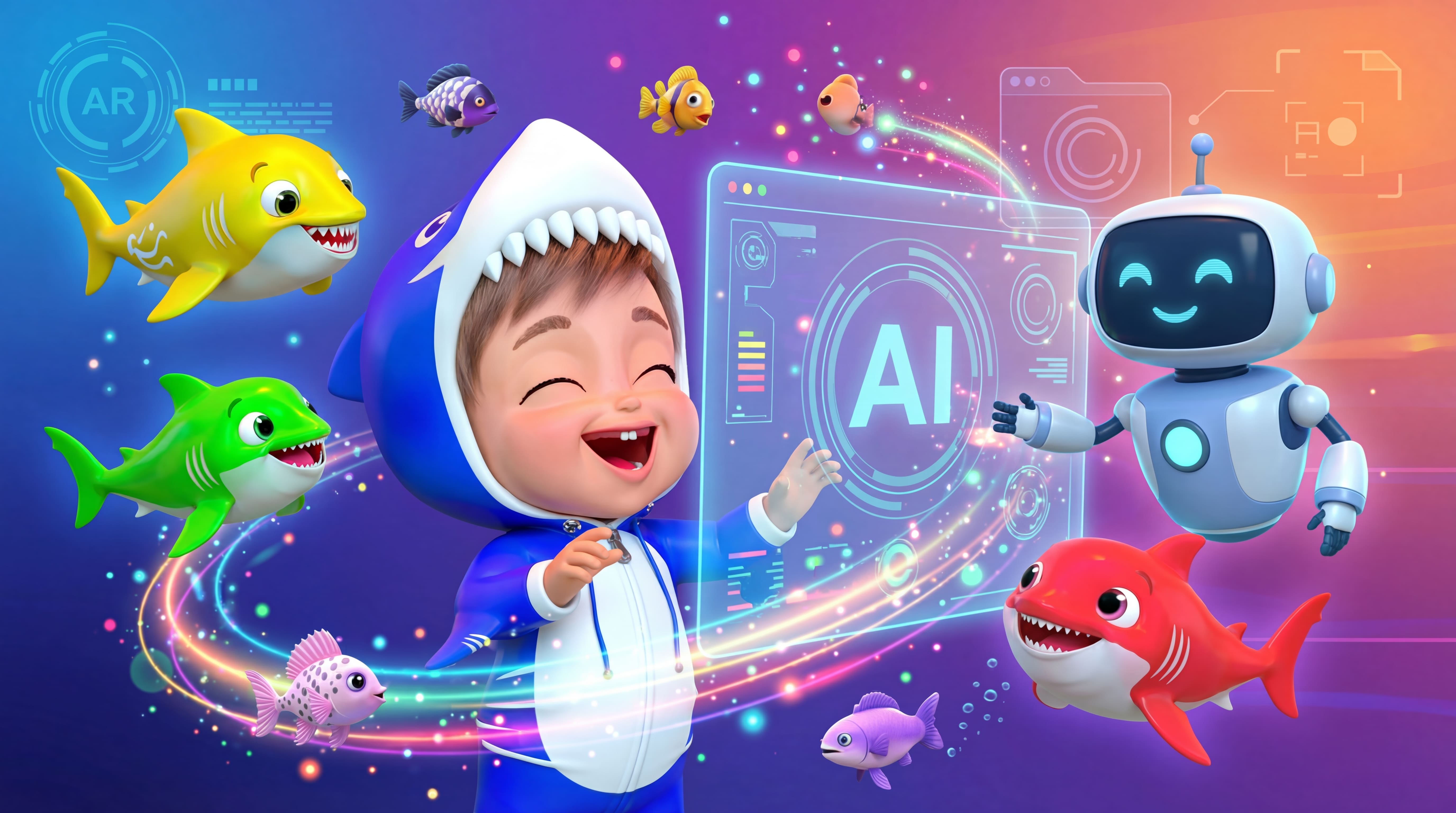
The Future of Children's Animation: AI and Interactive Storytelling
The world of children's animation is on the brink of a revolutionary transformation. As artificial intelligence and interactive technologies advance, they're reshaping how we create, deliver, and experience animated content for young audiences.
AI: The New Creative Partner
Artificial intelligence is becoming an invaluable tool in the animation pipeline, but not in the way many people fear. Rather than replacing human creativity, AI is enhancing it, allowing animators and storytellers to push boundaries and explore new possibilities.
AI-powered tools are streamlining labor-intensive tasks like in-betweening, color correction, and basic character movements. This frees up creative professionals to focus on what matters most: storytelling, character development, and emotional depth.
Machine learning algorithms can now analyze thousands of children's reactions to different animation styles, character designs, and story beats. This data helps studios understand what truly resonates with young audiences across different age groups and cultural backgrounds.
Personalized Storytelling Experiences
Imagine a children's animated series where each child experiences a slightly different story based on their interests, learning pace, and emotional responses. AI makes this possible through adaptive storytelling technology.
Interactive animated content can now respond to a child's choices in real-time, creating unique narrative paths while maintaining coherent story arcs. Educational animation is particularly benefiting from AI personalization, adjusting difficulty levels and providing encouragement tailored to each child's learning style.
Interactive Worlds Children Can Explore
The line between watching animation and playing within animated worlds is blurring. Interactive storytelling technologies allow children to step inside their favorite animated universes and influence the story in meaningful way... (line truncated to 2000 chars)