Choosing Between 2D and 3D Animation for Your Next Project
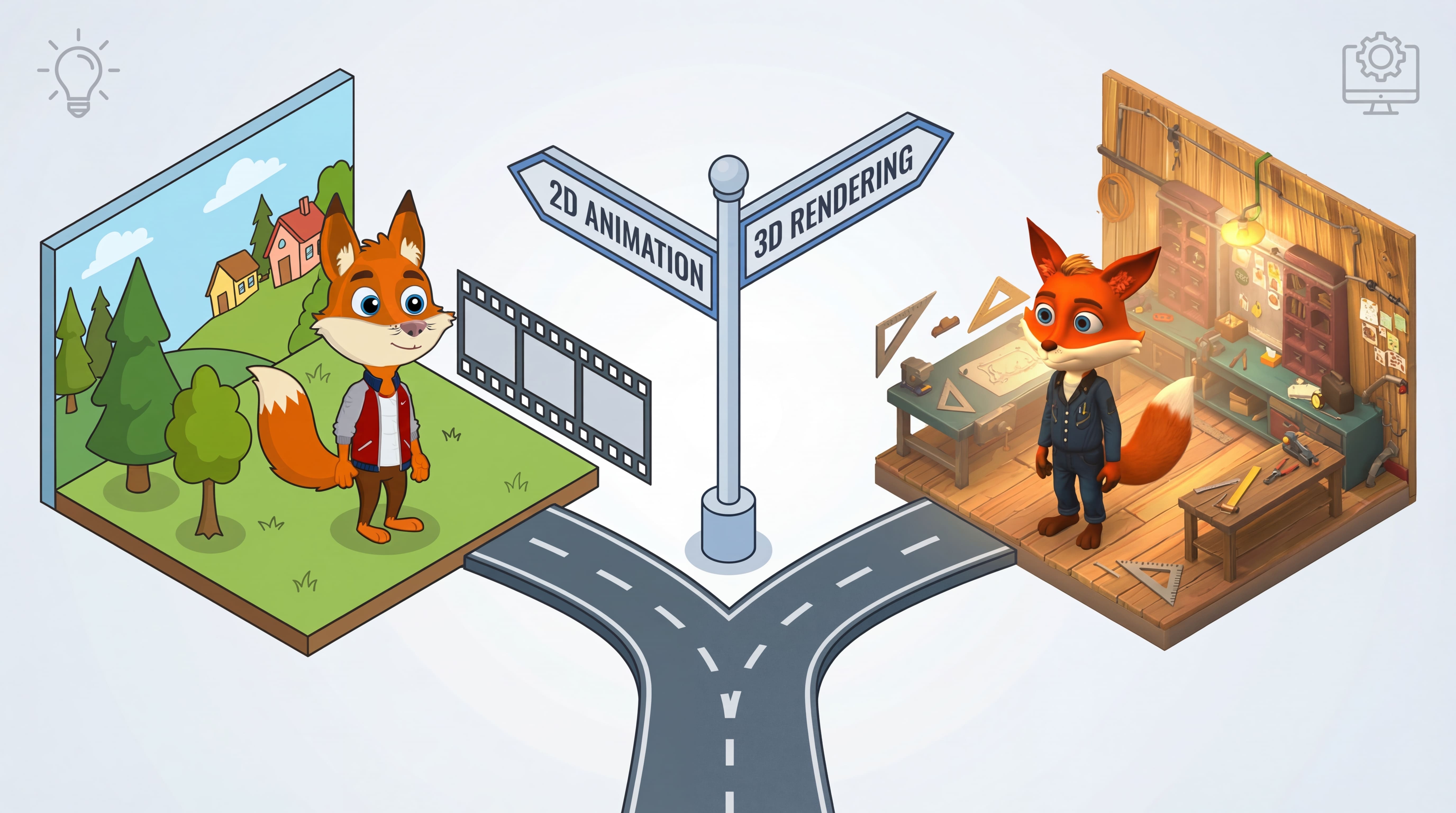
One of the first questions clients ask is: 'Should this be 2D or 3D?' The answer isn't always straightforward. Both mediums offer unique advantages, and the right choice depends on your project's specific needs, budget, and creative vision.
When 2D Animation Shines
2D animation excels for projects requiring stylized, artistic visuals with a handcrafted feel. It's ideal for explainer videos, educational content, and brand animations where distinctive visual style matters more than photorealism. 2D can be more cost-effective for certain projects, especially those with limited camera movement or simpler environments.
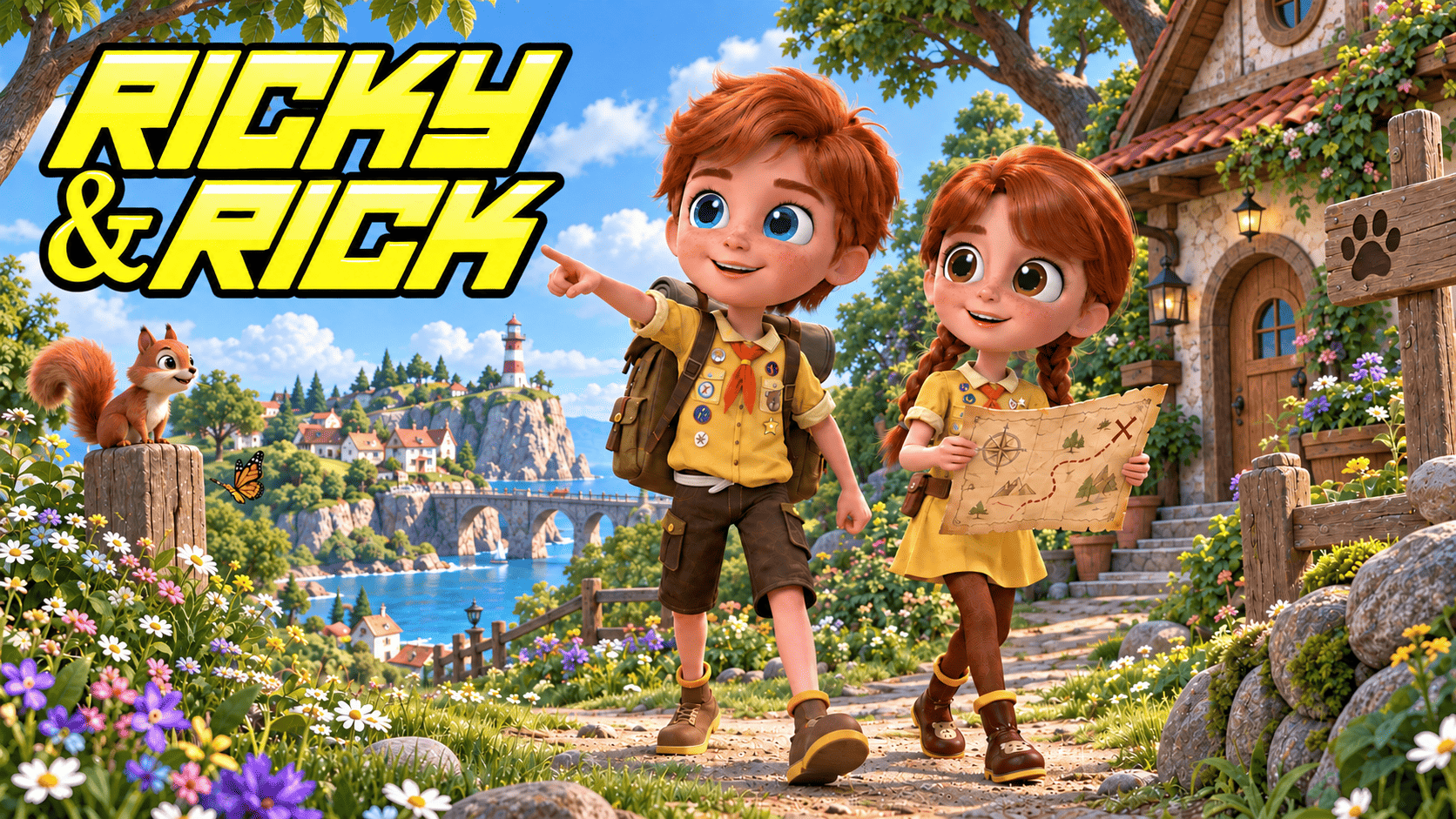
It's also perfect when you want a nostalgic, classic animation aesthetic or need to match an established 2D brand style. For children's content, 2D often feels warmer and more approachable. The flat, illustrative quality can be less intimidating for young viewers while still being engaging and colorful.
When 3D Animation Is the Better Choice
3D animation offers unmatched flexibility for complex camera movements, detailed environments, and realistic lighting. It's essential for architectural visualizations, product demonstrations, and any project requiring objects to be viewed from multiple angles.
Once 3D assets are created, they can be reused and repositioned efficiently, making 3D cost-effective for longer projects or series. The dimensional quality also translates well to VR and AR experiences. For product visualization, nothing beats the photorealistic quality that 3D rendering can achieve.
Budget Considerations
2D animation costs vary based on complexity and frame rate. Detailed, frame-by-frame animation requires significant artist time. 3D animation has higher upfront costs for modeling and rigging but can become more economical for longer projects where assets are reused.
Neither medium is inherently cheaper—it depends on your specific project requirements. A simple... (line truncated to 2000 chars)